
Your brand is more than a logo or color palette. It’s the perception people form about your business every time they interact with it.
A brand strategy provides the foundation for those perceptions. It defines how your business communicates its purpose, values, and unique position in the market—so every interaction reinforces who you are and why customers should trust you.
A brand strategy is essentially a long-term framework that guides how a company presents itself to customers and differentiates itself from competitors. It shapes messaging, identity, and customer experience to build recognition and loyalty over time.
When built thoughtfully, a brand strategy becomes one of your business’s most valuable assets—aligning your team, clarifying your message, and helping customers remember why your brand matters.
In this guide, we’ll explore:
- What a brand strategy is
- Why brand strategy matters for business growth
- The elements of a successful brand strategy
- The brand strategy process step-by-step
- A brand case study from Netgain
What Is a Brand Strategy?
A brand strategy is a structured plan that defines how a business builds and communicates its identity, values, and positioning to customers.
Rather than focusing only on visual elements like logos or colors, brand strategy encompasses the entire experience people associate with your business—your messaging, personality, customer interactions, and reputation.
In practical terms, a brand strategy answers three essential questions:
Who are we as a brand?
This defines your purpose, mission, values, and the audience you serve.
What do we stand for and how do we want to be perceived?
This includes your positioning, brand voice, messaging, and visual identity.
How will we consistently deliver this brand experience?
This is how your brand shows up in marketing, customer interactions, content, and overall business operations.
When these answers are clearly defined, businesses can communicate more consistently and create stronger connections with their audience.
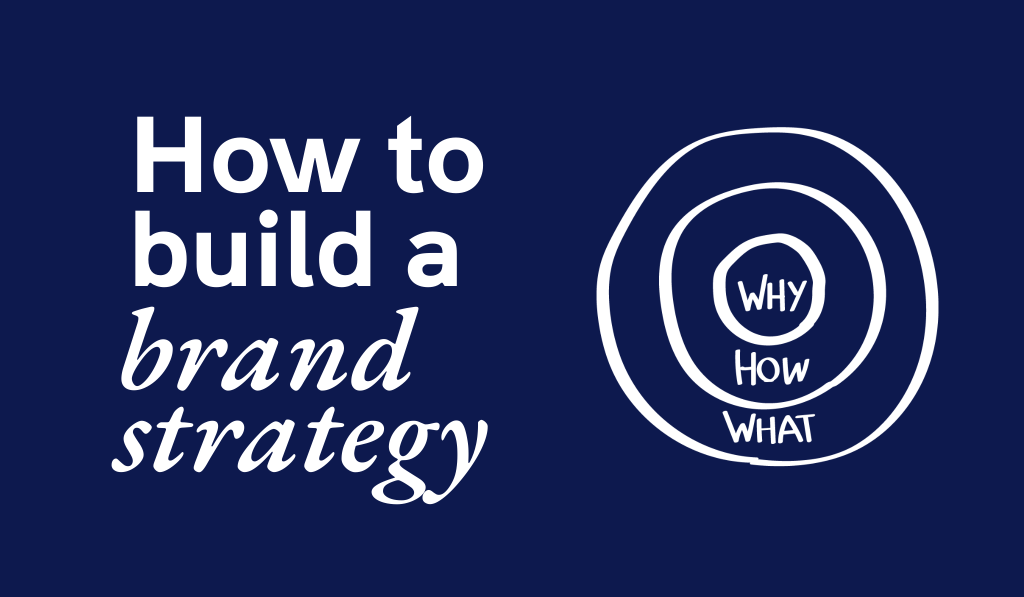
Simon Sinek’s Golden Circle framework reflects this idea, emphasizing that organizations should start with why before explaining how and what.
Why Is Brand Strategy Important for Business?
In a competitive market, businesses rarely succeed on products or services alone. Customers are also influenced by trust, familiarity, and perception.
A strong brand strategy helps businesses:
Differentiate from competitors
Brand strategy defines how your business stands apart in the market, highlighting the unique value you offer customers.
Build recognition and trust
Consistent messaging and visual identity make it easier for customers to recognize and remember your brand.
Align marketing and communication
With a clear strategy, every campaign, website page, and customer interaction reflects the same message.
Strengthen customer loyalty
Brands that consistently communicate their purpose and values are more likely to build long-term relationships with customers.
In short, brand strategy ensures that every aspect of your business works together to reinforce a clear and meaningful identity.
The Core Elements of a Brand Strategy
Most brand strategies include several foundational components that guide how a brand behaves, communicates, and evolves.
Brand Purpose
Your brand purpose defines why your business exists beyond making a profit. It clarifies the impact you want to have on your customers and the market.
Mission and Vision
Your mission explains what your business does today, while your vision outlines the future you’re working toward.
Brand Values
Values guide how your brand behaves and makes decisions. They shape company culture and influence how customers perceive your business.
Target Audience
Understanding your audience is essential. A brand strategy should clearly define who your ideal customers are, what they need, and what motivates their decisions.
Brand Positioning
Brand positioning defines how your business stands apart from competitors and what makes your offering unique.
Unique Value Proposition
This defines the key benefit or promise your brand offers that no one else can, making it clear why customers should choose you.
Brand Messaging and Voice
Your messaging communicates your value proposition, while your brand voice defines how you speak to customers across channels.
Visual Identity
Your logo, colors, typography, and design elements create a recognizable visual presence that reinforces your brand’s personality.
Together, these elements create a cohesive framework that guides every marketing and customer experience decision.
Brand Strategy Examples from Well-Known Companies
Some of the most recognizable companies in the world have built their success on clear and consistent brand strategies.
Nike: Inspiring Performance and Determination
Nike’s brand strategy focuses on empowerment, athletic achievement, and pushing personal limits. The company’s messaging consistently reinforces themes of determination and performance, which are reflected in campaigns like “Just Do It.”
By maintaining a clear brand identity centered around motivation and athletic excellence, Nike has built one of the most recognizable brands globally.
Apple: Simplicity, Innovation, and Design
Apple’s brand strategy emphasizes simplicity, innovation, and premium design. From product design to marketing campaigns, the company consistently communicates a message focused on intuitive technology and user experience.
This consistency across products, advertising, and customer experience has helped Apple become one of the most valuable brands in the world.
The Brand Strategy Process: How to Build a Brand Strategy
Developing a brand strategy involves a structured process that aligns business goals with audience needs and market opportunities.
Below is a step-by-step approach to building a strong brand strategy.
Research Your Audience
A successful brand strategy begins with understanding your customers.
This includes identifying:
- Customer demographics
- Motivations and challenges
- Buying behaviors
- Market trends
Audience insights help ensure your messaging resonates with the people you want to reach.
Analyze Your Competitive Landscape
Every market has competitors.
Analyzing them helps you identify:
- Market gaps
- Positioning opportunities
- Messaging differences
This research helps define how your brand can stand out.
Define Your Brand Purpose and Values
Next, clarify the core principles guiding your business.
Ask questions like:
- Why does our brand exist?
- What impact do we want to create?
- What values shape our decisions?
These foundations guide the rest of your brand strategy.
Establish Your Brand Positioning
Brand positioning defines the unique place your business occupies in the market.
Many companies articulate this through a value proposition or unique selling proposition, which highlights what makes their offering distinct.
Clear positioning ensures customers understand why your brand is the right choice.
Define Your Unique Value Proposition
Your unique value proposition (UVP) clearly communicates the primary benefit your brand offers and why customers should choose you over competitors.
While brand positioning defines your place in the market, the value proposition translates that positioning into a concise statement that highlights the value customers receive.
A strong value proposition typically answers three questions:
- What problem do you solve?
- What benefit do customers gain from your solution?
- What makes your offering different or better than alternatives?
When clearly defined, a unique value proposition helps guide messaging, marketing campaigns, and sales conversations while reinforcing your brand’s competitive advantage.
Develop Your Brand Messaging
Messaging translates your strategy into clear communication.
This includes:
- Value proposition
- Messaging pillars
- Taglines or key statements
- Brand voice guidelines
Consistent messaging helps customers recognize and trust your brand across channels.
Create Your Visual Identity
Visual identity reinforces your brand’s personality and improves recognition.
Key elements include:
- Logo
- Color palette
- Typography
- Imagery and design style
Consistency across marketing materials ensures customers experience your brand the same way everywhere they encounter it.
Document Your Brand Guidelines
Brand guidelines ensure that teams maintain consistency when representing your brand. This documentation becomes a reference point for your entire organization.
A brand guide typically includes:
1. Brand Overview
This section explains the strategic foundation of the brand and provides context for how the brand should be represented.
Common elements include:
- Brand mission and vision
- Brand purpose
- Brand values
- Brand positioning
- Target audience
These elements ensure anyone using the guidelines understands the strategy behind the brand, not just the design rules.
2. Brand Voice and Tone
Brand voice guidelines define how the brand communicates across channels.
This section often includes:
- Voice characteristics (e.g., confident, approachable, authoritative)
- Tone adjustments for different situations
- Writing style rules
- Examples of preferred and discouraged language
This ensures messaging feels consistent regardless of who is creating content.
3. Messaging Framework
Messaging guidelines help teams communicate the brand’s value clearly and consistently.
This may include:
- Value proposition
- Key messaging pillars
- Brand story or narrative
- Taglines or slogans
- Elevator pitch examples
Messaging frameworks help marketing teams align campaigns with the brand’s strategic positioning.
4. Logo Usage
A dedicated section typically outlines how the logo should appear.
Common guidelines include:
- Approved logo variations
- Minimum size rules
- Clear space requirements
- Incorrect logo usage examples
- Background rules
These rules protect the visual integrity of the brand.
5. Color Palette
This section defines the brand’s official colors and how they should be used.
It usually includes:
- Primary colors
- Secondary colors
- RGB, HEX, and CMYK values
- Accessibility considerations
Consistent color usage improves brand recognition.
6. Typography
Typography guidelines ensure consistency across marketing materials and digital platforms.
This section may include:
- Primary fonts
- Secondary fonts
- Web-safe alternatives
- Heading and body text rules
- Line spacing and hierarchy
7. Visual Style and Imagery
This section defines the visual personality of the brand.
Guidelines may include:
- Photography style
- Illustration rules
- Iconography
- Image treatment (filters, overlays, etc.)
These elements help create a recognizable visual aesthetic.
8. Layout and Design System
For larger organizations, brand guidelines may also include layout principles.
Examples include:
- Grid systems
- Spacing rules
- Component patterns
- Website UI standards
9. Applications and Examples
Many brand guideline documents include real examples of how the brand should appear across channels.
Examples might include:
- Website pages
- Social media posts
- Business cards
- Advertising creative
- Presentation templates
These examples help teams apply the guidelines correctly.
10. Brand Governance
Some brand guides also outline governance policies, including:
- Who approves brand usage
- When to update guidelines
- Asset management processes
This helps maintain consistency as the brand evolves.
Implement and Refine Your Strategy
Brand strategy is not a one-time exercise.
Businesses should regularly evaluate performance, gather feedback, and adjust their strategy as markets and customer expectations evolve.
Brand Strategy in Action: True North HR Consulting
A strong brand strategy doesn’t just exist on paper—it shapes how a business communicates, connects with its audience, and grows.
One example of this in action is Netgain’s work with True North HR Consulting, a Canadian HR consulting firm that provides people-focused HR support to growing organizations. True North HR works with businesses to strengthen workplace culture, improve compliance, and support leaders with practical HR solutions.
Like many growing service businesses, True North HR needed a brand presence that clearly communicated its expertise and values.
The Challenge
True North HR had a strong service offering and deep HR expertise, but their brand needed to better reflect the clarity, professionalism, and trust they bring to their clients.
To support their growth, they needed:
- A stronger brand identity
- Clear, consistent messaging
- A digital presence that reflected their professionalism and people-first approach
In other words, they needed a brand that communicated the same level of confidence and clarity that clients experience when working with them.
The Strategy
At Netgain, brand strategy always begins with understanding.
Before jumping into design or messaging, the team focused on learning about:
- True North HR’s services and expertise
- Their ideal clients and industries
- The values guiding their work
- The challenges their clients face when managing HR
These insights informed a strategic branding approach that aligned their visual identity, messaging, and digital presence with the company’s core purpose.
The Result
With a clearer brand strategy and a stronger digital presence, True North HR Consulting experienced measurable growth in both visibility and business performance.
Following the brand and marketing updates, True North HR saw:
- Nomination for the RBC Women of Influence Awards, highlighting the company’s growing recognition within the industry.
- Invitation to speak at the WorldatWork Conference, reflecting increased authority and thought leadership in the HR space.
- 2× growth in social media engagement within three months, demonstrating stronger audience interest and interaction.
- 162% increase in quality leads, indicating the effectiveness of the updated branding and marketing strategy in attracting ideal clients.
- 115% increase in the first-quarter pipeline, showing a clear impact on business development and growth.
These results demonstrate how a well-defined brand strategy—supported by consistent messaging and design—can strengthen credibility, increase engagement, and drive meaningful business outcomes.
Build a Brand Strategy That Moves Your Business Forward
A strong brand doesn’t happen by accident.
It’s built through thoughtful strategy, clear messaging, and consistent experiences that reinforce who you are and what you stand for.
At Netgain, we believe great brands start with understanding—understanding your business, your audience, and the impact you want to create.
Our branding services combine strategic thinking with creative execution to help businesses develop identities that are both meaningful and memorable. From defining your brand positioning to building a cohesive visual identity, we work alongside you to create a brand that supports long-term growth.
Because when your brand strategy is clear, every marketing decision becomes easier—and every interaction becomes an opportunity to build trust.
If you’re ready to define your brand and build a strategy that moves your business forward, connect with the Netgain team. We’ll work with you to uncover what makes your business unique and translate it into a brand strategy that resonates with your audience and supports your marketing for years to come.
FAQs About Brand Strategy
What is a brand strategy?
A brand strategy is a long-term plan that defines how a business communicates its identity, values, and positioning to customers to build recognition and trust.
Why is brand strategy important?
Brand strategy helps businesses differentiate from competitors, communicate their value clearly, and build lasting relationships with customers.
How do you create a brand strategy?
Creating a brand strategy typically involves audience research, competitive analysis, defining brand purpose and positioning, developing messaging, and implementing brand guidelines.
What are the elements of a brand strategy?
Common elements include brand purpose, mission, values, target audience, positioning, messaging, and visual identity.
What is the difference between branding and marketing?
Branding expresses the identity of a business, while marketing refers to the activities used to promote the brand and its products or services.